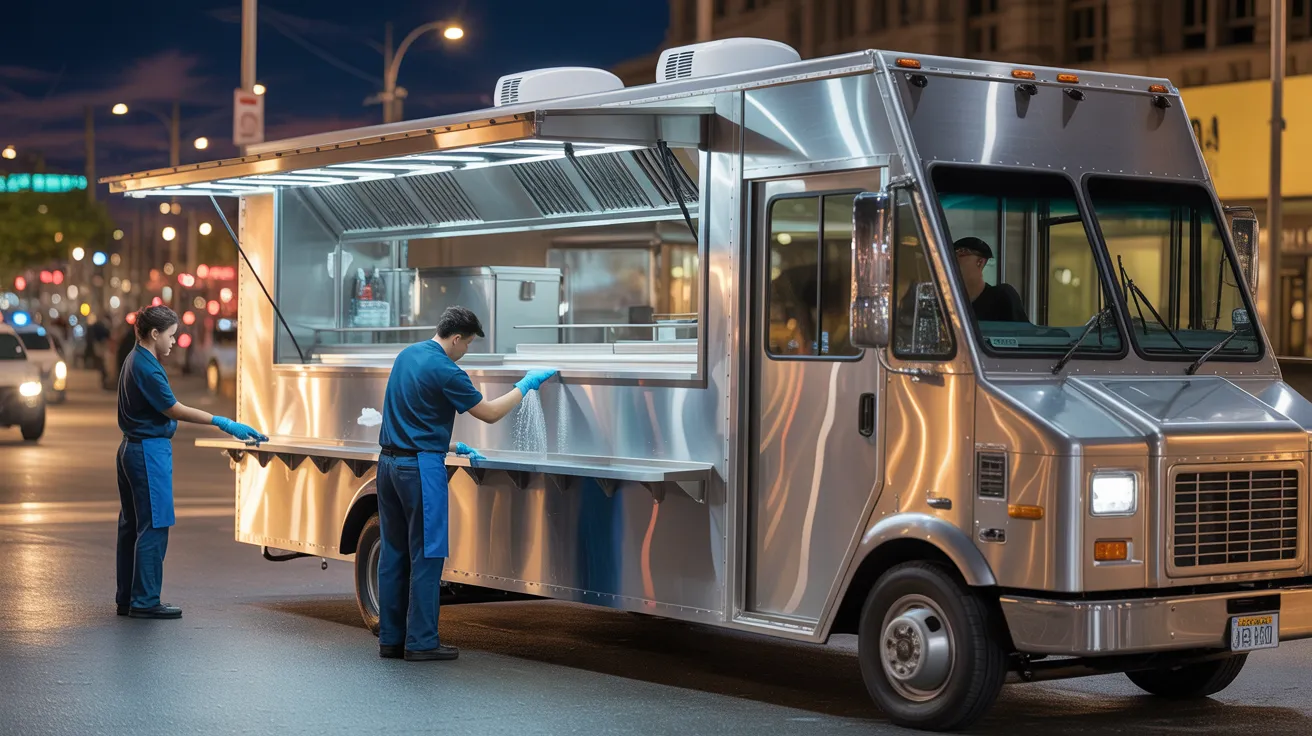
Commercial hygiene experts located in Brampton help maintain restaurants, food distribution facilities, baking enterprises, warehouses, and mobile food units in compliance. They treat frequently handled areas, food-contact areas, equipment, floors, drains, restrooms, and preparation zones using approved sanitizers, at proper strength, and with verified times.
Important Highlights
- Brampton's food safety cleaning professionals clean for restaurants, grocery departments, commissaries, warehouses, bakeries, schools, mobile vendors, and allergen-sensitive operations.
- Zone-based workflows treat high-touch surfaces, food-contact equipment, kitchens, floors, drains, restrooms, and storage areas for eliminating cross-contamination.
- Logging of finishing through swabs, inspections, and action records ensures trained vendors have checked proper chemical concentration, compatibility, and contact time.
- Threat, production rate, format changes, accidents, and requirements must shape cleaning schedules, with everyday, regular, and periodic tasks designated by zone.
- Pick vendors with hazard analysis knowledge, health regulatory, expertise, safety training, education, liability, credentials, colour-coded tools, and inspection-ready sanitation documentation.
What Brampton Venues Require Food Safety Cleaning?
Any Brampton facility that processes, stores, prepares, packages, or distributes food needs hygiene cleaning. You must follow it if your establishment falls under public health inspection, food premises regulations, or internal HACCP-based controls. That requirement covers eateries, dining facilities, food distribution centers, supermarket departments, meat markets, fish counters, corner stores, and commercial kitchens.
Documented food safety measures proves required in distribution centers, manufacturing facilities, cold storage areas, bakery retailers, educational meal programs, banquet venues, and meal delivery services. Portable temporary ventures count too, examples being food trucks, event sellers, and temporary stalls. Your location needs established hygiene documentation should your team handle raw materials, divide prepared dishes, warm meals, or keep allergens stored. In Brampton, hygiene is not voluntary; it constitutes lawful, operational, and customer protection standards.
What Do Brampton Cleaning Professionals Handle?
Your operation needs cleaning professionals who disinfect frequently contacted surfaces, kitchens, all floor types, and restrooms for food safety and health code adherence. These specific areas are emphasized due to their elevated cross-contamination potential, trip and slip dangers, and violations of hygiene standards.
If you comprehend their cleaning services, you'll be able to confirm your operation satisfies required operational and regulatory standards.
Cleaning High-Touch Zones
arrange sterilization schedules determined by traffic, contamination risk, and operational use.
Preventing contamination spread via replacing cleaning materials, following directional cleaning patterns, and keeping sanitization equipment according to section ensures your sanitizing program remains quantifiable, defensible, and inspection-ready.
Cooking Zones, Walking Surfaces, and Restroom Environments
Professional cleaners in Brampton concentrate on kitchens, floors, and restrooms given that each location involves specific contamination control, slip-and-fall, and public health requirements. In industrial kitchens, you need degreasing on cook lines, equipment exteriors, drains, prep surfaces, and splash zones to minimize contamination and pest pressure.
Floor care that is documented should also be anticipated. Technicians scrub and extract buildup from tile grout, ceramic surfaces, and vinyl floors, then apply correct drying techniques so you can limit falls and maintain code-compliant conditions. They also handle entry points where dampness and dirt enter the building.
In restrooms, cleaners treat contact surfaces, bathroom hardware, partition walls, accessory dispensers, and receptacles then refill supplies and eliminate odor. They also service restaurant moprooms, where chemical storage, sink hygiene, and drainage conditions can affect sanitation compliance and staff safety daily.
The Importance of Food Safety Cleaning in Brampton
In Brampton, you must copyright food-safe cleaning standards to satisfy regulatory standards and achieve compliance. You also reduce bacterial spread through proper cleaning of food-preparation surfaces, appliances, and frequently-touched items. Most importantly, you safeguard community wellness by reducing the chance of food poisoning in your establishment.
Food Safety Regulations
Brampton food companies must comply with strict public health standards, so sanitation practices is critical to meeting health codes, defending customers, and preventing penalties. You must maintain sanitized food contact points, recorded sanitation plans, appropriate product handling, and auditable operational standards that meet municipal and provincial inspection expectations.
Thorough sanitation promotes allergen reduction by decreasing residue on common tools and regularly touched locations.
Contamination Management
Adhering to health code standards requires your skill in preventing cross-contamination throughout daily food handling and cleaning. You need to separate raw ingredients from ready-to-eat foods, sanitize work stations after each task, and store cleaning supplies separately from food. Organized systems minimize contamination events and ensure consistent compliance during inspections.
You should establish allergen separation to keep priority allergens from contacting shared surfaces, containers, or equipment. Use dedicated cutting boards, color-coded tools, and careful equipment identification so employees avoid combining products throughout cooking or serving. Require handwashing after handling raw meat, seafood, eggs, or allergen-containing products. Change cleaning rags frequently, and verify sanitizer strength with test strips. When staff members receive training on these procedures each work period, you create a cleaner, safer operation that meets Brampton's food safety expectations consistently.
Community Health Assurance
Should food safety cleaning break, you don't simply risk a failed inspection—you increase the potential of foodborne illness impacting customers, staff, and the wider Brampton community. You also weaken your role in protecting public health, especially in high-traffic food premises where contamination can spread quickly through surfaces, equipment, and touchpoints.
You must implement cleaning procedures that remove soils, effectively sanitize, and ensure effectiveness. This involves maintaining contact periods, utilizing authorized sanitizers, recording schedules, and coaching staff to fulfill compliance standards. These actions support pathogen control by suppressing pathogens before affecting food surfaces or hands. In Brampton, robust sanitation protects at-risk groups, minimizes disease spread, and demonstrates accountability. When you adhere to proper protocols, you go beyond regulations—you substantially reduce risk and promote secure food service across the region.
How Can Cleaning Practices Ensure Food Safety Compliance?
Thorough cleaning protocols strengthen food safety compliance by lowering contamination exposure, controlling pathogen growth, and ensuring your facility complies with sanitation requirements under HACCP-based programs and public health regulations. You confirm that contact surfaces are visibly clean and microbiologically controlled, enabling documented preventive controls and inspection readiness.
Cleaning efforts additionally upgrade allergen management by clearing residues that can lead to undeclared allergen exposure.
Establishing When to Plan Commercial Cleaning
You'll achieve the best results from cleaning plans that account for risk factors, production rates, and compliance obligations rather than a static calendar system alone.
risk levels, production volumes, or regulatory requirements change
How Do You Choose Brampton Cleaning Experts?
Start by screening providers against food-safe sanitation requirements, not cost only. You should verify that each company understands CFIA, public health, and HACCP compliance standards relevant to your facility. Ask for proof of insurance, WHMIS compliance, documented staff training, and supervision practices. Review whether technicians understand cross-contamination risks, chemical handling, and traceable sanitation records.
You should further examine service consistency and answerability. Request references from food facilities in Brampton, then review response times, corrective-action procedures, and communication protocols. Validate the company facilitates supplier audits and can present inspection-ready documentation to authorities or external parties. Confirm equipment is maintained, color-coded implements are applied correctly, and facility-specific risks are recognized. A qualified provider ensures regulatory compliance, product quality, and your brand reputation.
Which elements are part of a Food Safety Cleaning Plan?
Document a plan that outlines every sanitation activity, guideline, and role before production begins. You should record cleaning frequencies, approved chemicals, dilution rates, contact times, tools, and verification methods for each zone, surface, and piece of equipment. Remember to add pre-operational inspections, corrective actions, and employee training requirements.
Your plan should also address cross-contamination controls, waste handling, pest-prevention measures, and documented schedules for facilities, drains, flooring, and food-preparation surfaces. Outline how you'll distinguish between uncooked and prepared items, support ingredient tracking, and keep accurate allergen labeling through validated cleaning between product changes. You should establish accountability, keep signed records, and assess results against regulatory standards, HACCP controls, and customer requirements. When gaps appear, modify procedures immediately and instruct staff.
Regular Posed Questions
Will cleaning services manage nighttime hours at Brampton facilities?
Yes, you can arrange cleaning services to accommodate nighttime operations in Brampton facilities. You'll organize overnight sanitation around production schedules, access requirements, and staffing levels. Providers generally create nighttime procedures to reduce interruption, maintain standards, and track completed work. You should verify response times, management, lockout protocols, and waste management before starting service.
Do sanitation professionals provide emergency spill response solutions?
Yes, you can locate several Brampton cleaning professionals offering emergency response services. They manage hazardous materials, evaluate risks, contain affected areas, and perform swift decontamination to minimize risk and limit operational impact. You should verify response times, certifications, safety measures, and disposal methods. If your facility must meet standards, pick a provider that logs events, maintains standards, and supports audits.
Will plant-based disinfectants protect safely surfaces contacting food?
Definitely, eco-friendly disinfectants work safely on surfaces contacting food if you buy solutions certified for food use that satisfy regulatory standards. You need to verify contact times, concentration levels, and rinse protocols prior to application. Plant based formulas reduce chemical burden, but you need evidence of effectiveness against specific pathogens. To preserve residue-free areas, stick to manufacturer instructions exactly and validate your cleaning agent complies with food sanitation requirements.
Do cleaning schedules support seasonal variations?
Certainly, cleaning plans adjust to seasonal variations effectively. Adapt timing, personnel, chemicals, and confirmation procedures to match with production rhythms while upholding regulatory adherence. Limit operational delays by organizing cleaning during equipment transitions, peak volumes, and usage cycles. Concurrently update standard operating procedures, instruction programs, and monitoring protocols to address periodic risks, additional allergens, or increased soil loads. Ongoing evaluations ensure your strategy efficient.
Do commercial cleaning providers instruct staff members in sanitation best practices?
Indeed, professional cleaners often offer employee coaching on sanitation best practices. Your team obtains essential resource training on proper chemical use, contact times, preventing cross-contamination, equipment breakdown, and documentation. They typically follow instruction with HACCP, GMP, and CFIA or local public health criteria. Many perform compliance inspections to verify compliance, reveal issues, and reinforce corrective actions. This assists you to establish reliable processes, achieve compliance, and decrease foodborne illness risks each day.
Closing Remarks
Partnering with Brampton commercial cleaning and food safety professionals goes beyond tidying—it guarantees your operation meets inspection standards and your standards are defensible. From kitchen areas to production zones, each cleaned area and maintained corner reduces health hazards and avoids costly disruptions. By scheduling maintenance at suitable frequencies and implementing a thorough cleaning program, you protect staff, your customers, and your image. In a heavily regulated sector, clean environments can't be overlooked—they're vital to proper management.